
Where To Place Your Digital Signage At Rec Centers

Recreation centers serve a wide mix of visitors every day. Families, athletes, students, and seniors all move through these spaces with different needs and routines. Keeping them informed and engaged requires clear, timely communication across every part of the facility.
Digital signage offers a reliable and flexible way to share information. If you're welcoming a new member, promoting a program, or highlighting a health tip, the right message in the right place can improve how people interact with your facility.
To get the most out of your investment in digital signage solutions, placement is key. Where you position each screen directly affects how often it is seen, how useful it is, and how much value it delivers. This article will guide you through the best placement strategies for digital signage in recreation centers so you can reach your audience effectively and improve the overall experience for every visitor.
Strategic Placement
To make sure your digital signage delivers value across your facility, focus on placing screens in areas where people pause, walk through, or spend extended time.
Each screen should have a purpose, and each message should be relevant to the audience in that space. According to recent research, digital signage captures 400 percent more views than static displays and can improve information retention by up to 83 percent. By putting the right content in the right place, your facility will be more efficient, more engaging, and better prepared to serve your members.
Main Lobby and Reception Area
The main lobby is usually the first stop for anyone walking into a rec center. This makes it the most important location for digital signage. A well-placed screen here creates a strong first impression and sets the tone for the rest of the visit.
You can use signage in the lobby to display welcome messages, check-in procedures, hours of operation, or facility updates. Visitors can quickly scan the screen for information on upcoming events, new programs, or changes in class schedules. You can also showcase seasonal promotions, member incentives, or referral programs to boost engagement.
In this area, your signage should be large, bright, and placed at eye level. The content should be easy to read and designed to grab attention within a few seconds. A screen behind the front desk or mounted in the main entryway ensures every guest sees your most important updates right away.
Hallways and High-Traffic Walkways
Recreation centers are constantly in motion. Members move between fitness classes, gym spaces, locker rooms, and pool areas. Placing screens in hallways and other high-traffic corridors allows you to continue communicating as people travel through the building.
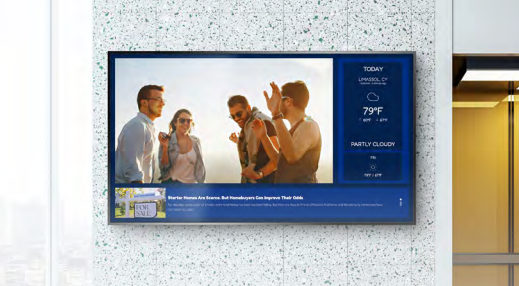
These digital signage solutions are perfect for sharing class reminders, last-minute updates, or safety messages. You can post inspirational quotes, fitness tips, or motivational messages to keep energy levels high. When schedules change due to holidays or maintenance, hallway signage helps you spread the word quickly and clearly.
Screens should be mounted at eye level and positioned along walls where they are visible but not blocking traffic. The content should rotate frequently, remain easy to digest, and avoid long videos or text-heavy slides. Your goal is to catch attention in motion and deliver value in a few seconds or less.
Fitness Center and Gym Floor
The fitness center is one of the most active spaces in any rec center. People spend longer periods here, making it a great place for screens that rotate helpful and motivating content.
Digital signage in gym areas can display workout tips, equipment usage guidelines, trainer profiles, and class availability. You can highlight upcoming personal training sessions or share spotlight stories about member achievements. Showing real-time data like how full a class is or how many machines are in use adds value and encourages timely decisions.
Because people are working out, content should be high contrast, large, and easy to glance at from a distance. Movement-based visuals can help grab attention, but transitions should be smooth and not too fast. Signage here enhances the workout experience by keeping members informed, motivated, and engaged.
Pool and Aquatic Center Area
Pools bring in a wide range of users, from swim teams and families to seniors and beginners. The environment is humid and sometimes loud, making digital signage even more important for clear communication.
This is the ideal place to display swim class schedules, safety instructions, lifeguard announcements, and hygiene reminders. You can also share weather-related closure notices, pool maintenance updates, or event information such as swim meets or community classes.
Use screens built for wet or humid environments, and consider enclosed displays to protect from splash and moisture. Placing signage near entrances, changing areas, and viewing decks ensures swimmers and spectators alike can stay informed. These displays also reduce the need for staff to answer repetitive questions, which frees up their time and keeps operations running smoothly.
Locker Rooms and Changing Areas
Locker rooms are not the most obvious place for digital signage, but they offer subtle opportunities for communication. Since this is a more private and personal area, the messaging should be soft, non-promotional, and supportive.
You can display facility cleanliness reminders, etiquette tips, or upcoming maintenance closures. Highlight staff cleaning schedules, lost-and-found instructions, or wellness initiatives to show that the space is maintained and well-managed.
Screens should be smaller and placed in spots where people naturally pause, such as near mirrors, exits, or benches. Keep the tone light, friendly, and practical so the messaging feels helpful rather than intrusive.
Multipurpose Rooms and Studios
Multipurpose spaces are constantly changing, which makes digital signage especially useful. These rooms often host yoga classes, dance sessions, art workshops, and training seminars, all on rotating schedules.
Position screens or tablets outside the room to show real-time scheduling and class info. Include instructor bios, upcoming events, and class descriptions to help attendees know what to expect. During sessions, signage inside the room can share key tips or reminders, such as equipment needs or cool-down instructions.
Because the use of these rooms changes often, make sure content is updated regularly and tied to the current activity. Digital signage here helps reduce confusion, improve participation, and support better class management.
Snack Bars, Lounges, and Waiting Areas
Not every space in a rec center is fast-paced. Lounges, snack bars, and waiting areas give people time to sit, relax, and engage more deeply with screen content. This is the perfect opportunity for storytelling and longer-form messaging.
/
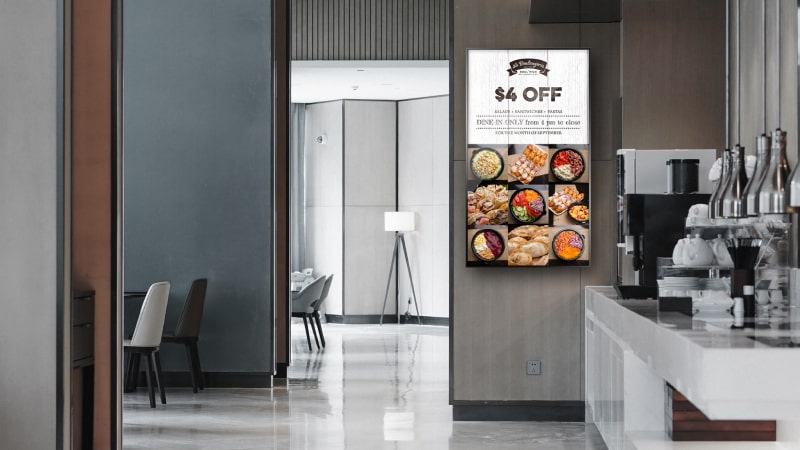
Use this time to highlight community events, member spotlights, or staff achievements. Showcase local sponsors, holiday greetings, or facility initiatives. You can also promote special café menu items, seasonal discounts, or upcoming events with more detail than would work in high-traffic areas.
These spaces allow you to run more creative content that builds community and adds personality to your center. The extra dwell time makes it easier for viewers to take in full messages and feel more connected to your facility.
Outdoor Entrances and Parking Areas
If your rec center has exterior LED displays, you can capture attention before visitors even walk through the door. Outdoor signage is a great tool for wayfinding, weather alerts, or announcing upcoming classes and registration deadlines.
Use these displays to show welcome messages, special events, holiday closures, or facility hours. You can also guide visitors to the correct entrance, especially during events or busy seasons when additional signage is needed.
Outdoor displays should be bright enough to compete with sunlight and readable from a distance. Clear, bold fonts and high-contrast graphics are essential. The goal is to orient visitors and prepare them for what they’ll experience inside.
Bring Your Digital Signage Strategy to Life
The success of digital signage solutions in recreation centers depends heavily on placement. When screens are strategically installed in high-traffic, high-impact areas, they improve communication, guide visitors, and create a more connected member experience.
Now is the time to walk through your facility and assess your current signage strategy. Identify missed opportunities and rethink how you communicate in the spaces where your visitors need you most.
To learn how Mvix can help you plan, install, or optimize your digital signage placement strategy, email or call us at 703.382.1739 to speak with a solutions expert.
You May Also Like
.jpg)
.jpg)

.jpg)